
Bananas and Cycling: Why They Actually Work
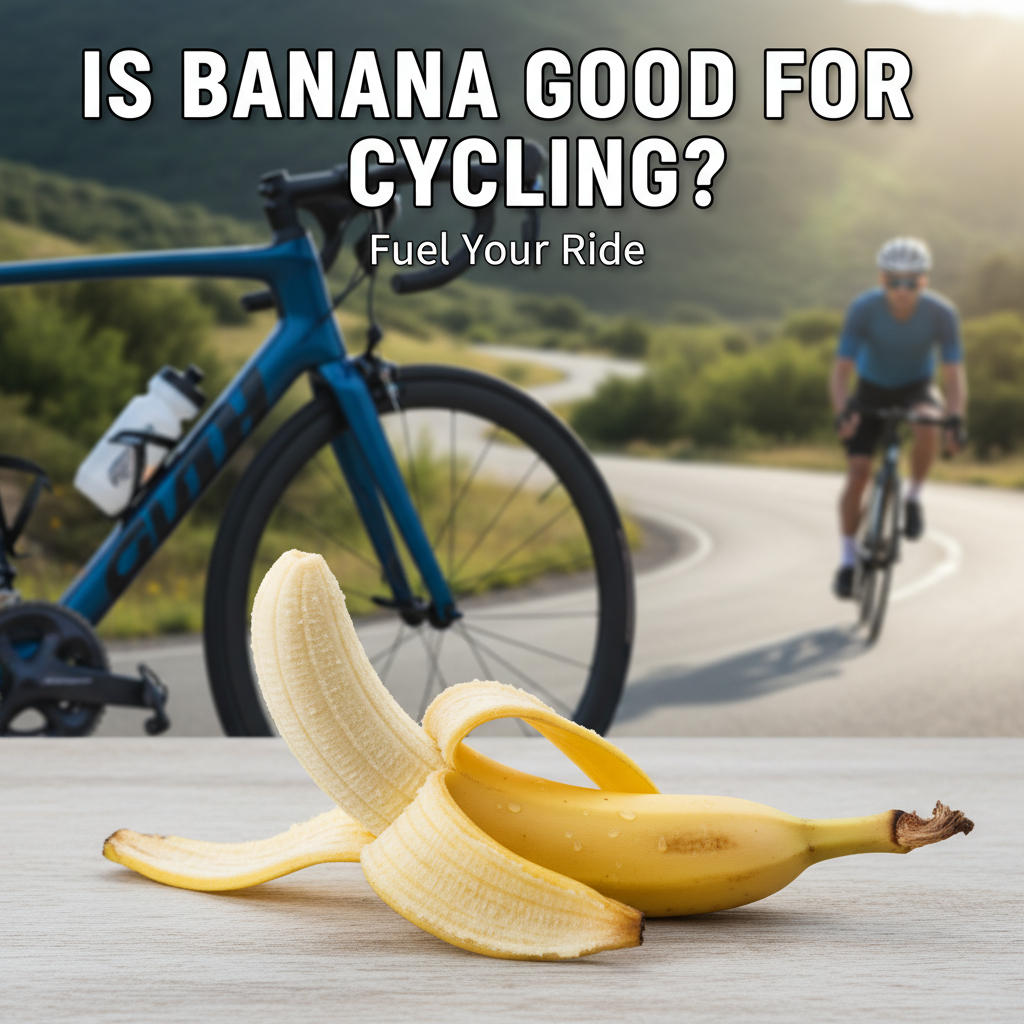
Cycling nutrition has gotten complicated with all the engineered products, timing protocols, and supplement claims flying around. As someone who’s tested everything from expensive gels to natural foods, I learned everything there is to know about why the humble banana deserves its place at every group ride rest stop and in every pro cyclist’s feed zone.
The Carb Story
Probably should have led with this section, honestly. A medium banana has about 27 grams of carbs. During a ride, that’s roughly 30 minutes of additional fuel for moderate effort.
The sugar profile is interesting – mix of glucose (fast), fructose (medium), and sucrose (fast-ish). Plus some resistant starch in less-ripe bananas that digests slower. You get quick energy that doesn’t spike and crash as hard as pure sugar.
Compared to a gel, bananas release energy more gradually. Compared to a bar, they’re easier to chew and digest while riding.
The Potassium Thing
Bananas are famous for potassium. About 400mg per banana. You lose potassium through sweat, and low potassium contributes to muscle cramps.
Does eating a banana prevent cramps? Maybe. The science is mixed on whether potassium specifically prevents exercise cramps. But it doesn’t hurt, and you need to replace electrolytes somehow.
Practical Advantages
Nature’s packaging. Thick skin protects the fruit. Peel it one-handed while riding. No wrapper trash to deal with.
Digestibility. Bananas sit easy in most people’s stomachs. They’re gentle, not too acidic, not too fibrous. This matters a lot when you’re working hard.
Cost. About 20 cents versus $2-3 for a gel. If you’re doing long training rides every week, this adds up.
Timing Considerations
Before riding: 30-60 minutes out, a banana provides accessible carbs without sitting heavy. Good pre-ride snack.
During riding: Easy to eat at lower intensities. At high effort, harder to chew and swallow. I’ll grab a banana during an easy section or brief stop.
After riding: The carbs help replenish glycogen. Pair with some protein for better recovery.
The Downsides
They squish. Jersey pockets can crush bananas into mush. Carry them early in the ride or in a harder container.
Ripeness matters. Green bananas have more resistant starch and can cause gas. Very ripe bananas are sweeter but mushier. Medium ripeness (yellow with some spots) is the sweet spot.
My Approach
That’s what makes simple nutrition endearing to us practical cyclists—training rides get bananas, fig bars, and real food. Cheaper and more enjoyable. Racing or hard group rides? Gels and liquid carbs for convenience and speed. Bananas at rest stops are free fuel. Never turn them down.



Leave a Reply