Types of Bike Brakes
Bike brakes have gotten complicated with all the disc versus rim debates flying around. As someone who’s ridden and maintained bikes with every brake type over the years — from basic coaster brakes as a kid to hydraulic discs on current bikes — I learned everything there is to know about what actually matters for stopping. Today, I will share it all with you.
That’s what makes brake selection endearing to us cyclists — it’s a decision that affects every single ride. Get it right and stopping feels invisible. Get it wrong and you’re constantly fighting your equipment.
Rim Brakes
The traditional approach. Pads squeeze the wheel rim directly. Still works fine for many applications despite what disc brake evangelists claim.
Caliper Brakes
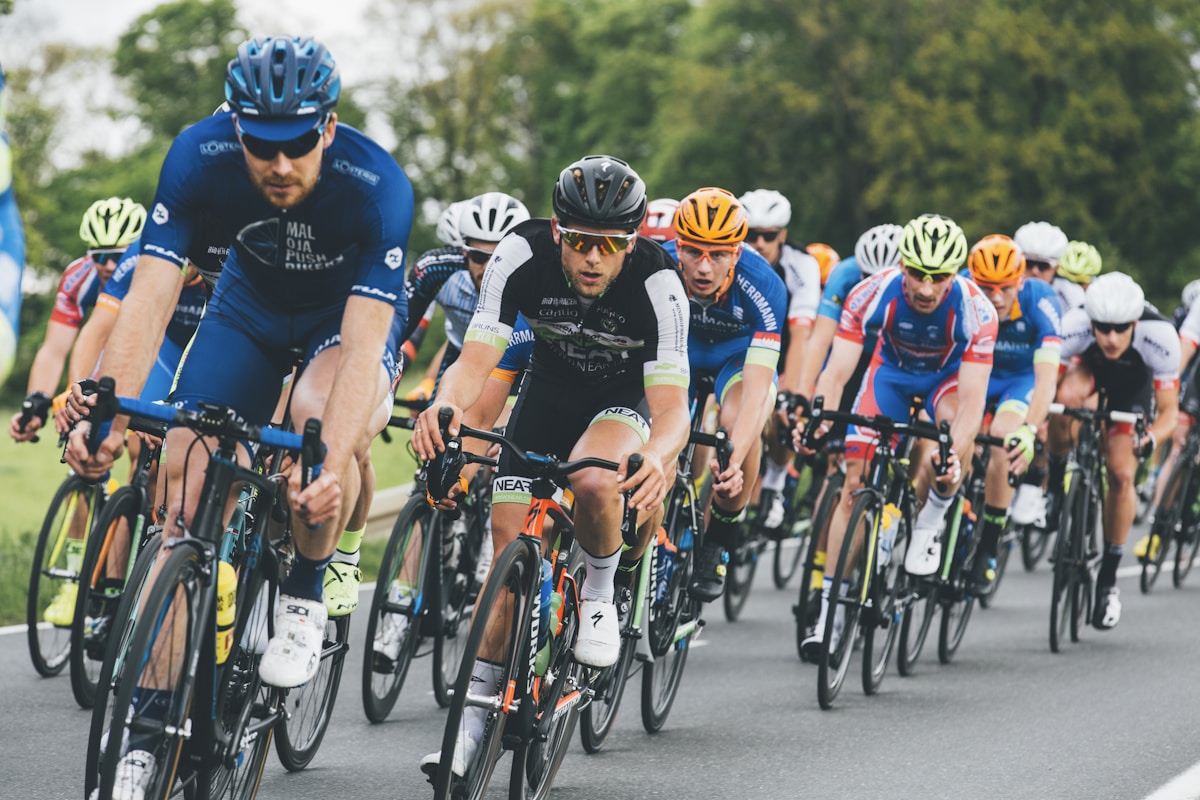
Probably should have led with this section, honestly. Caliper brakes dominate road cycling. Light weight, simple design, sufficient stopping power on dry pavement. One mechanism, two pads, minimal fuss.
Easy to adjust yourself with basic tools. Pads wear over time and need replacement — you can see when they’re worn down. In wet conditions, stopping power drops significantly until the pads clear water from the rim.
Cantilever Brakes
Two separate arms pivot on posts attached to the fork and frame. More mechanical advantage than calipers, better mud clearance. Common on older cyclocross and touring bikes before disc brakes took over.
Setup can be finicky. Get the cable geometry wrong and braking feels weak or inconsistent. When dialed in correctly, they stop well even with loaded touring bikes.
V-Brakes (Linear-Pull)
The mountain bike standard before discs. Strong stopping power, relatively simple design, works with wider tires. Still appear on many hybrid and commuter bikes.
Power can be almost too much — aggressive braking risks locking wheels. Pads wear faster than disc brake pads but cost much less. Easy home maintenance.
Disc Brakes
Braking force applied to a rotor bolted to the wheel hub. Consistent performance regardless of weather or rim condition. The industry has largely standardized on disc brakes for mountain, gravel, and increasingly road bikes.
Mechanical Disc Brakes
Cable-actuated, just like rim brakes. The cable pulls the caliper pistons to push pads against the rotor. Easier to work on than hydraulic systems — you can adjust them trailside with an Allen key.
Less powerful and less modulated than hydraulic brakes, but simpler and cheaper. Good choice for bikes where you want disc brake weather performance without hydraulic complexity.
Hydraulic Disc Brakes
Fluid pressure from lever to caliper. More power with less finger effort. Self-adjusting as pads wear. The modulation — controlling braking force precisely — is noticeably better than mechanical systems.
Downsides: bleeding the system requires specific tools and fluid. If something goes wrong mid-ride, you can’t really fix it with a multi-tool. More expensive to buy and maintain.
Drum Brakes
Enclosed within the hub, protected from weather and dirt. Nearly maintenance-free once set up. Common on utility bikes and internal-hub-gear commuters.
Heavier than other options. Less stopping power than good rim or disc brakes. Heat dissipation on long descents can be a problem. But for city commuting in all weather, the reliability and low maintenance are worth the tradeoffs.
Coaster Brakes
Pedal backwards to stop. Simple. No cables, no levers, nothing to adjust. Standard on kids’ bikes and beach cruisers.
Not suitable for anything demanding. Can’t modulate well. Rear-only braking limits stopping power. But for casual flat-terrain riding, they’re bulletproof reliable.
Which Brake System Should You Choose?
Match the brake to the riding:
- Road racing: caliper rim brakes still work fine; disc brakes add wet weather confidence
- Mountain biking: hydraulic disc brakes are essentially mandatory
- Commuting: disc brakes handle rain and rim damage well; rim brakes work if you’re budget-conscious
- Touring: mechanical disc brakes balance performance with field repairability
- Casual riding: whatever came on the bike is probably fine
Whatever brake type you run, keep it maintained. Worn pads, contaminated rotors, or poorly adjusted cables all compromise stopping. The best brake system is the one you actually service regularly.




Subscribe for Updates
Get the latest articles delivered to your inbox.
We respect your privacy. Unsubscribe anytime.