Cycling Gels: What Actually Works Mid-Ride
Gel nutrition advice has gotten complicated with all the brands and formulations flying around. As someone who bonked hard on a century ride before learning how to use gels properly, I learned everything there is to know about fueling after hitting mile 65 with nothing left.
Legs wouldn’t turn over, brain felt foggy, barely made it to a gas station. Now I take fueling seriously.
What Gels Do
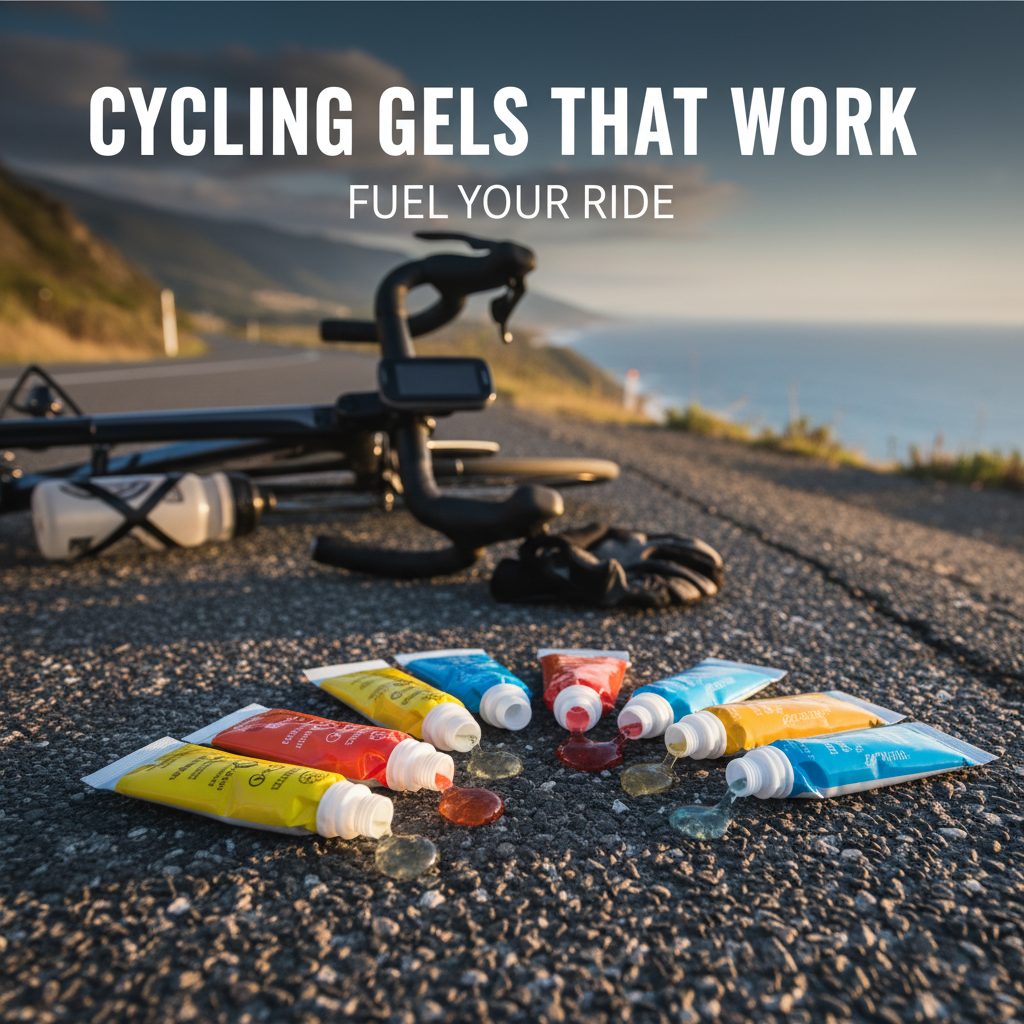
Probably should have led with this section, honestly. Gels are concentrated carbohydrates in portable packets. Typically 20-25 grams of carbs per gel, around 100 calories. The goal is fast energy that gets into your bloodstream quickly so you can keep pedaling.
Your body stores glycogen in muscles and liver – enough for maybe 90 minutes of hard effort. After that, you need external fuel or you start running on fumes. Gels provide that fuel in a form that’s easy to consume while riding.
When to Take Them
Don’t wait until you’re dying. By the time you feel bonked, you’re already too far gone for gels to help immediately. Start early and stay consistent.
For rides over 90 minutes, I take my first gel around the 45-minute mark, then one every 30-45 minutes after that. This keeps energy levels stable rather than riding the boom-bust cycle of waiting too long.
The general recommendation is 30-60 grams of carbs per hour during endurance exercise. That’s roughly one to two gels per hour depending on the product and your needs.
Water Matters
Most gels need water to digest properly. The concentrated sugar sitting in your stomach without dilution causes cramping and nausea. Learned this the hard way on my first gel attempt.
Some gels are isotonic – formulated to not require water. SiS is the main one. These are genuinely convenient but cost more. For regular gels, plan to take 4-6 ounces of water with each one.
Stomach Training
Your gut adapts to what you practice. If you only use gels on race day, your stomach might rebel. Practice with the same gels you’ll race with, on the same types of rides. Train your gut like you train your legs.
Some people’s stomachs tolerate any gel without issues. Others are picky about brands, flavors, or textures. Figure out what works for you before an important event.
Caffeine Options
Many gels come in caffeinated versions. Caffeine helps with focus and can reduce perceived effort. But it can also cause stomach issues or jitters if you’re sensitive.
I use caffeinated gels strategically – one toward the end of a long ride or race when I need a mental boost. Not every gel needs caffeine.
What I Use
SiS isotonic gels for convenience – no water needed. GU for when I want a stronger flavor and more variety. Maurten for races when money’s less of a concern and I want the most stomach-friendly option.
Flavor preference is personal. Some people hate the thickness of certain brands. Some can’t stand artificial sweetness. Try different options during training to find what goes down easy.
Carrying Them
Jersey pockets work. Bento boxes on the top tube give easy access without reaching back. Some people tuck them in the leg of their shorts – a bit gross but accessible.
Practice grabbing and opening gels while riding. Tearing them open one-handed, squeezing them down while pedaling – this is a skill that takes practice.
Real Food vs. Gels
Gels aren’t mandatory. Many cyclists fuel with bananas, dates, fig bars, homemade rice cakes. Real food often sits better in the stomach and costs less per calorie.
The advantage of gels is precision and convenience. Exact carb counts, fast consumption, no chewing required while breathing hard. The disadvantage is cost, potential stomach sensitivity, and the environmental waste of all those packets.
The Simple Rule
That’s what makes gel nutrition endearing to us cyclists who’ve figured it out. Eat before you’re hungry. Start fueling early. Use what you’ve practiced with. Take water with regular gels. Keep it consistent throughout the ride.
Nutrition seems complicated until you find what works for you. Then it becomes automatic – just part of long rides like pedaling and drinking water.




Subscribe for Updates
Get the latest articles delivered to your inbox.
We respect your privacy. Unsubscribe anytime.